Post-Consumer Recycling2025-12-23T22:35:29+00:00

Post-consumer recycling of PVC roofing membranes.

Post-consumer recycling is key to a circular system.

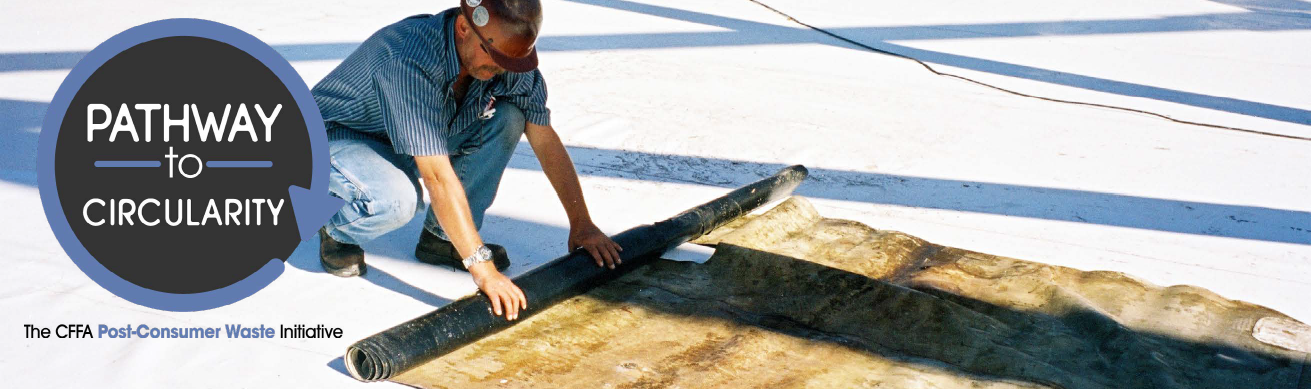
Pathway to Circularity promotes a truly circular system, advancing postconsumer recycling of mechanically fastened and induction welded PVC (vinyl) roofing so materials live on well beyond their first use. It invites the entire value chain—manufacturers, contractors, architects, and building owners—to participate in a regenerative roofing cycle. The goal is to make the recycling of existing PVC roofing as straightforward and cost-effective as possible, while demonstrating the long-term value of sustainable design.

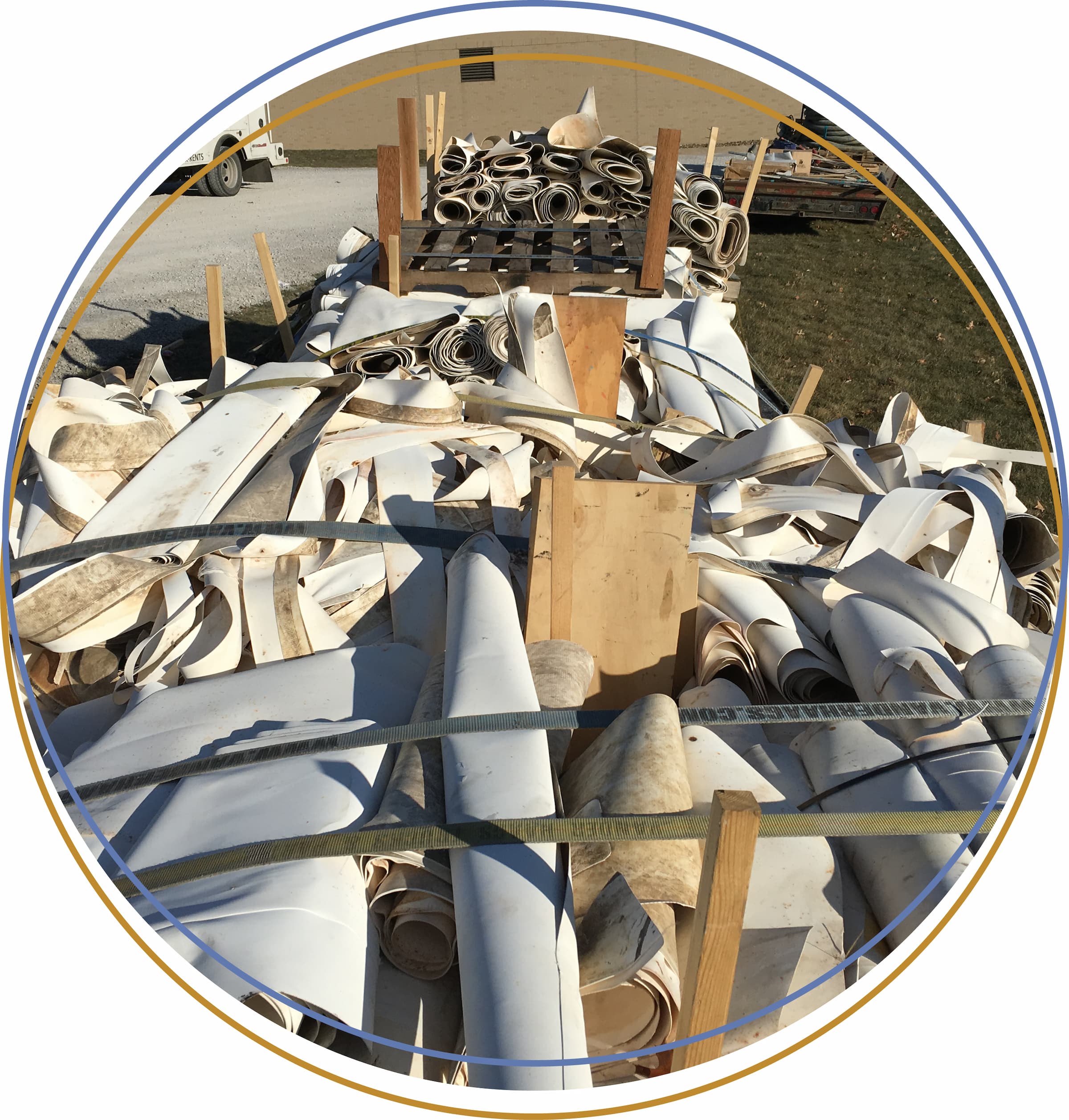
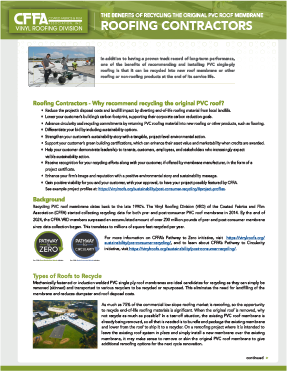
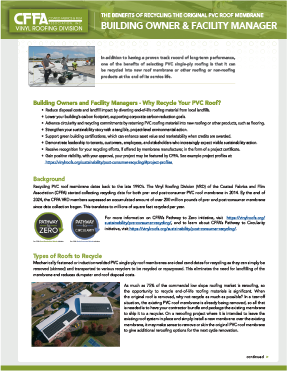
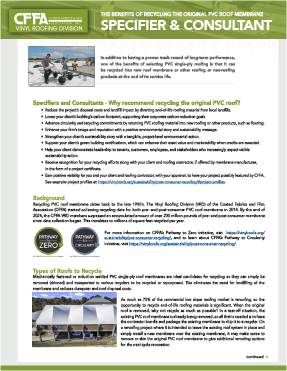
PVC roofing is easy to recycle. It can simply be removed from the roof system in a process called skinning and transported to various recyclers. This eliminates the need for the landfilling of the membrane and reduces the cost of roof disposal.

While skinning adds some cost to the overall reroofing project, some of that cost can be offset with elimination of landfill fees and increased building value helping to achieve or maintain green building certifications. PVC roof recycling can also help companies achieve sustainability goals related to carbon reductions while adding to their environmental story and sustainability message.

  • Triple bottom line and ESG benefits could include greater value for a building when green building certifications are awarded.
  • Customers and stakeholders are looking to the vinyl value chain for recycling leadership, initiatives, and achievements.
  • It is the right thing to do and relatively inexpensive.

Post-Consumer Recycling Facts and Figures

0M
2,900,000 pounds: Total amount of post-consumer materials the PVC roofing industry recycled in 2024 alone.
0M
Over the past decade, the PVC roofing industry has recycled 13.2M pounds of post-consumer vinyl materials.

Closed-loop and open-loop cycles.
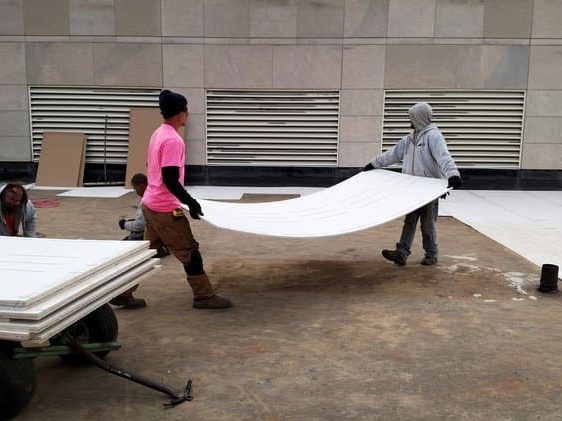
Closed-Loop Cycle

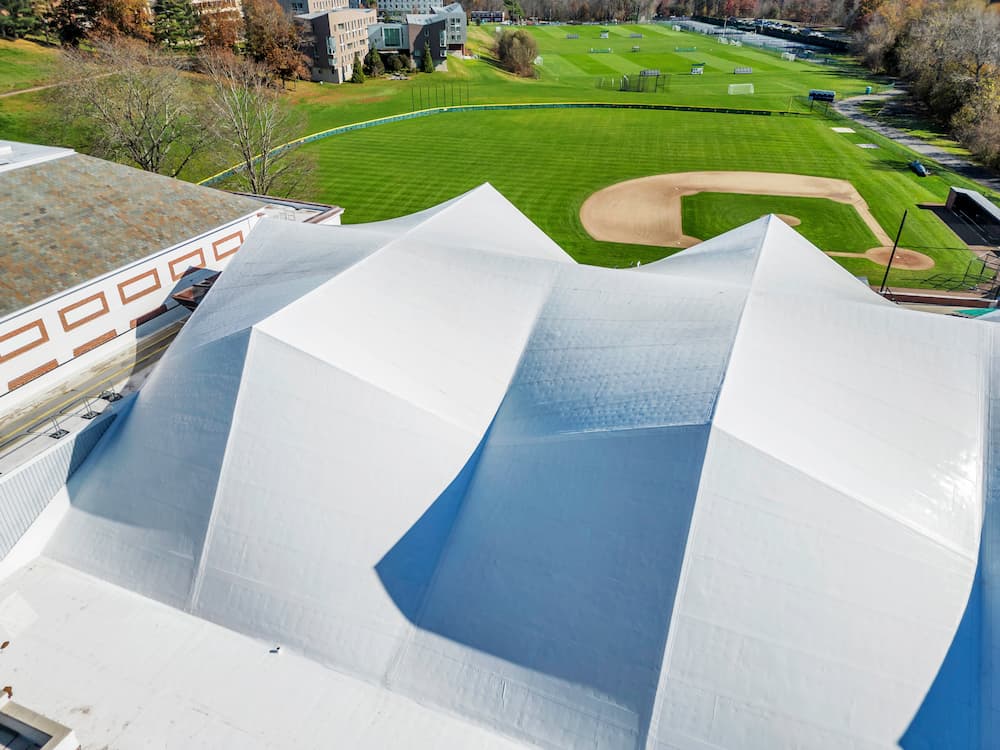
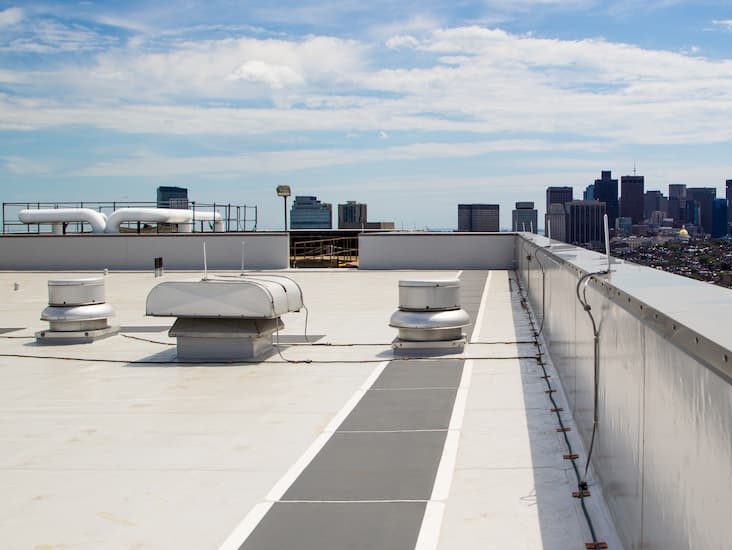
In a closed-loop cycle, PVC roofing is recycled and used to make new PVC roofing membranes, roof walkways and accessories. Because of its polymer structure, PVC can be recycled and reused over and over again.
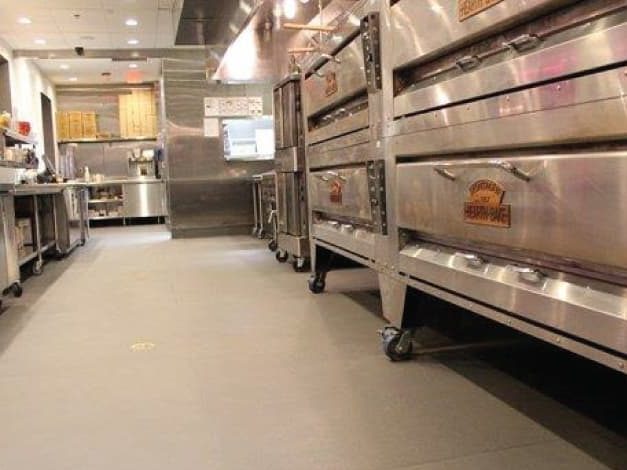

Open-Loop Cycle

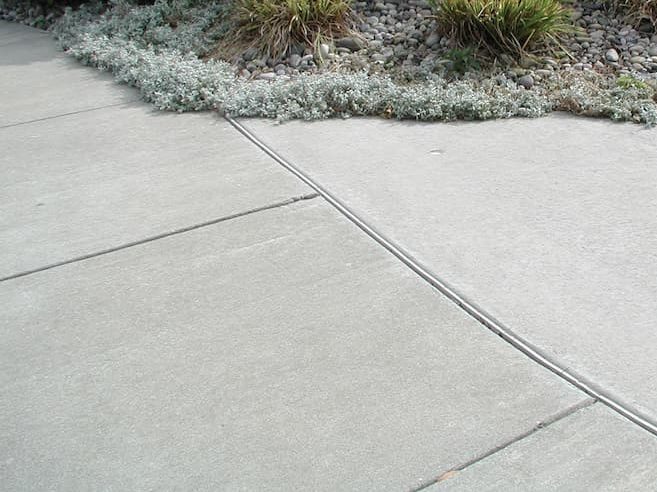
In an open-loop cycle, PVC roofing is recycled and used to make products other than roofing. These products often include flooring, landscape expansion joints, and other products.

Typical Steps for Recycling PVC: Post-Consumer
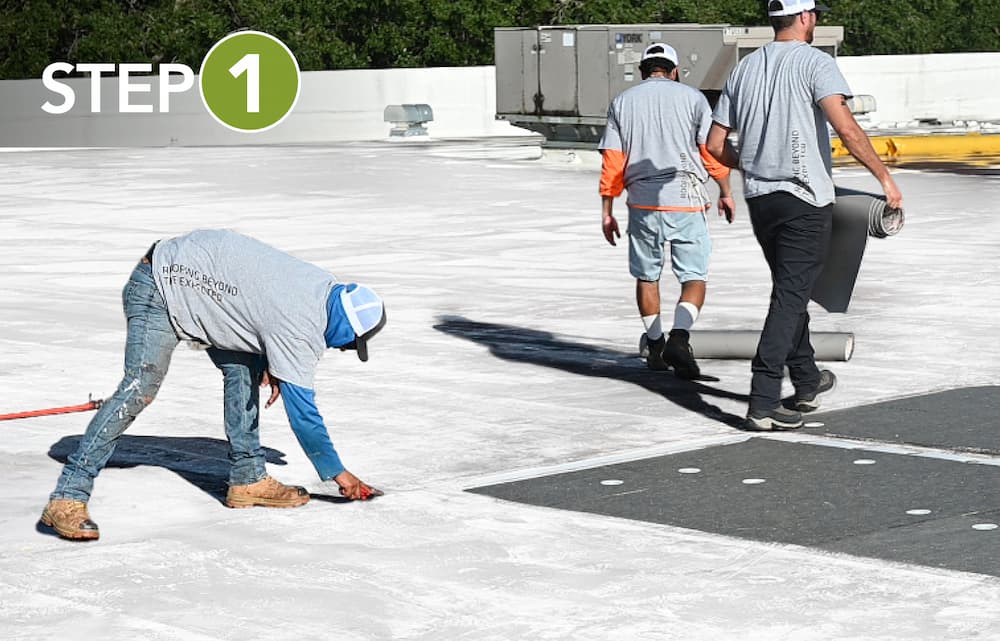
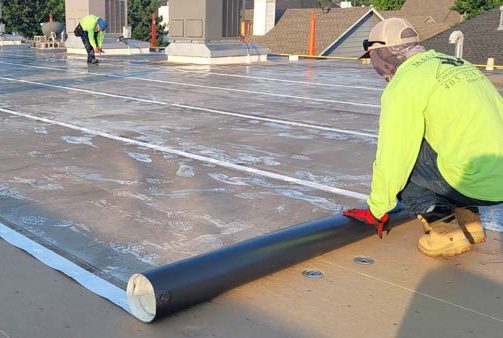
Slice the existing PVC Membrane into manageable size (approximately 3’ x 100’).

Roll up membrane.
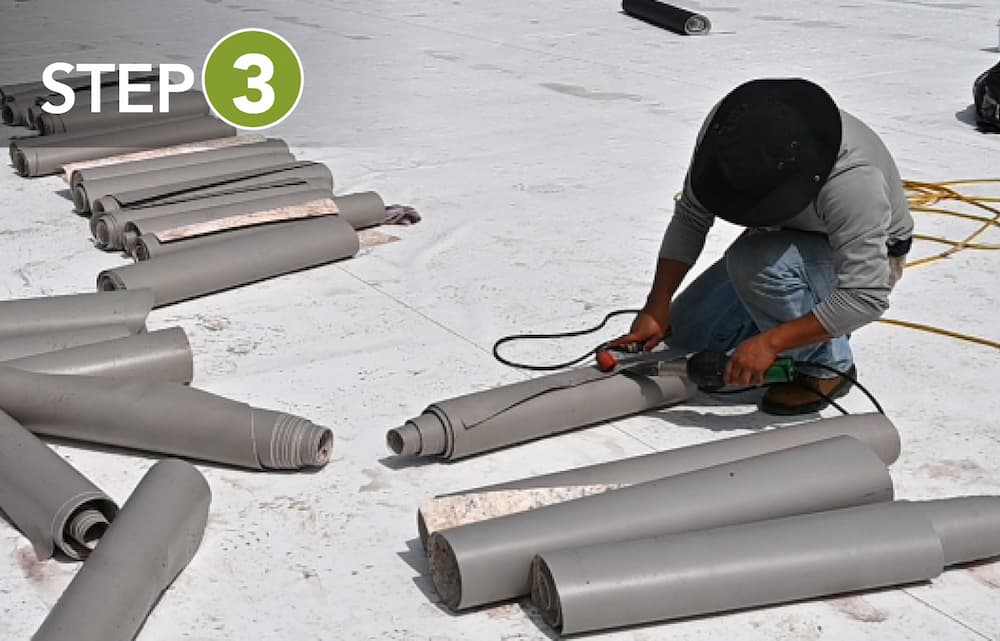
If needed, tack weld to hold in place.
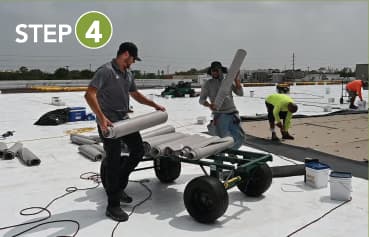
Put rolls on a 4-wheel dolly or other method to transport material to edge of roof.
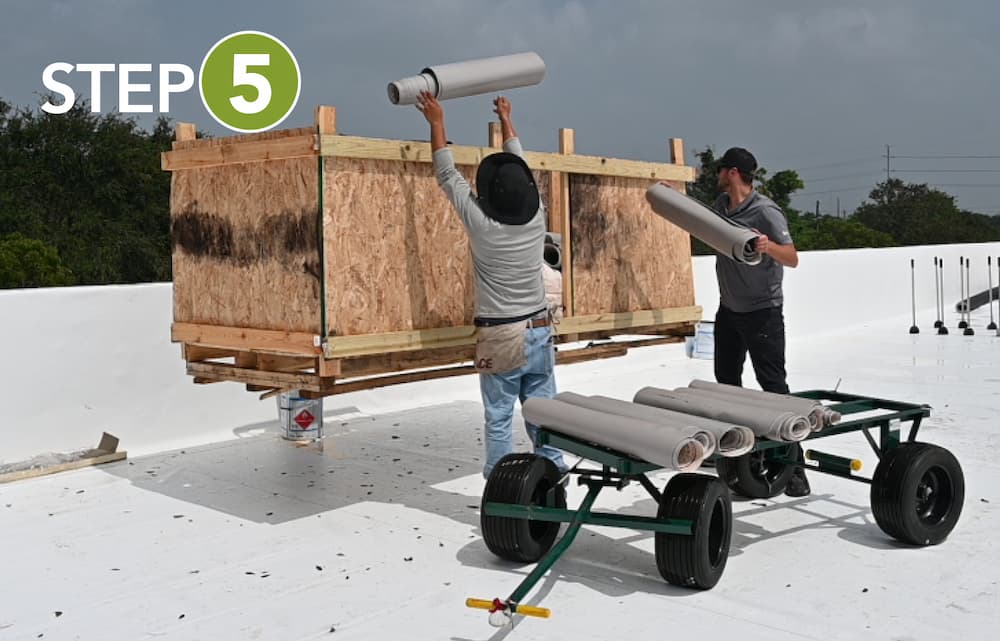
Alternatively place rolls of existing membrane onto pallets and securely strap using metal bands, or place rolls of existing membrane into industrial bags.
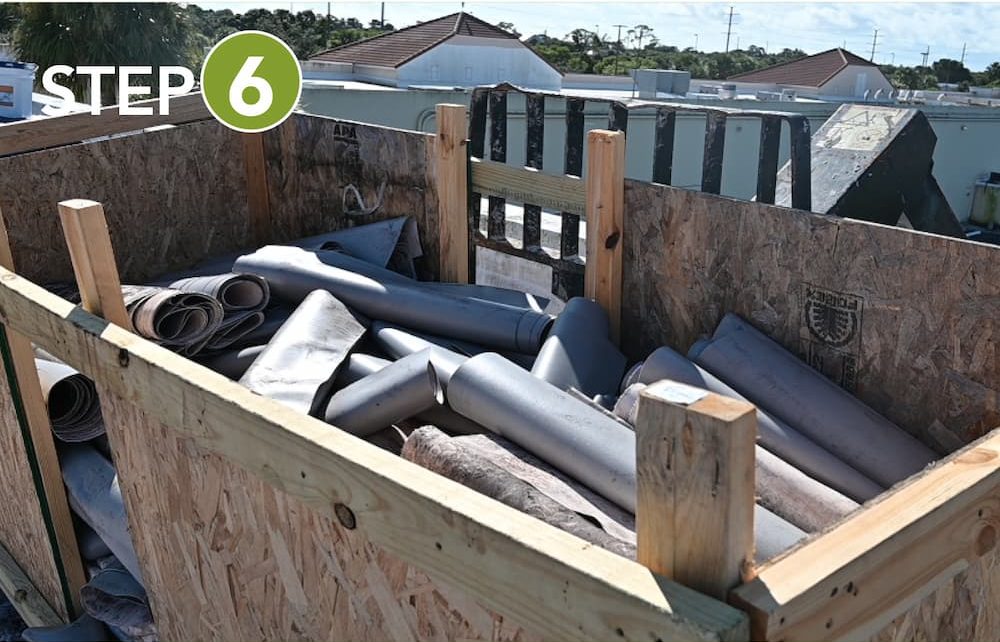
Fill constructed gaylord boxes full of old PVC Roof membrane at rooftop or maximize what can safely be put on pallets or into industrial bags.
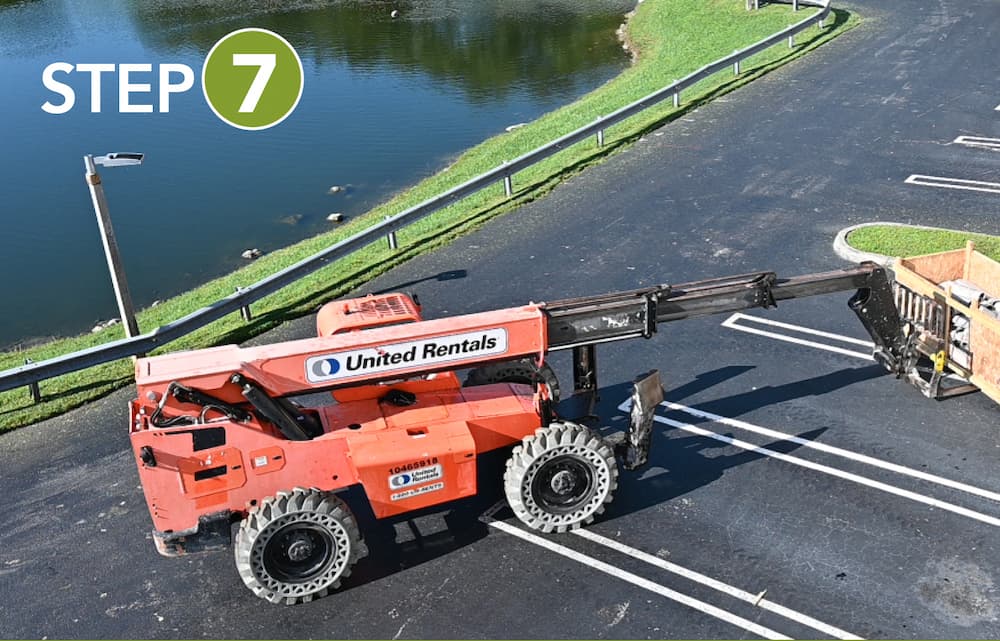
Lower gaylord constructed boxes to ground or other packaging/bundles.
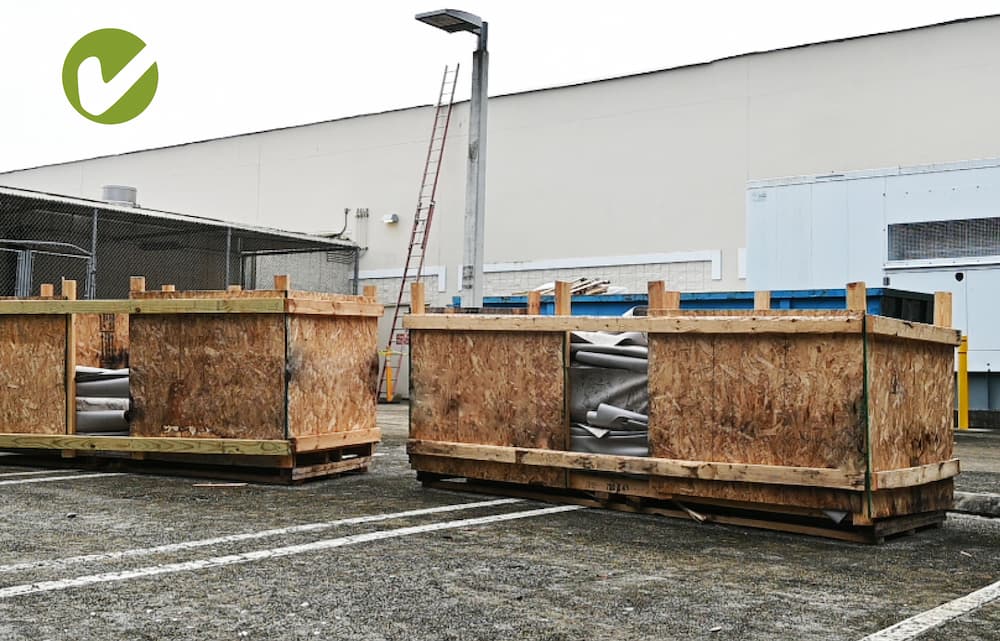
Ready for pick up to recycler!
Arrange with recycler to pick up prepared packages/bundles of PVC roof membrane and load onto flat bed.

Roof Recycling Video

PVC (vinyl) roofing membranes are highly sustainable due to their ability to be recycled and repurposed into new products repeatedly, without significant loss of their key physical properties. In this video, we’ll walk you through the eight essential steps to successfully recycle PVC roofing membranes and reduce waste on your projects.

PVC Roof Recycling Guide Specifications & Suggested Bid Line Item

Recycling mechanically attached and induction welded PVC roof membranes is a sustainable option with proven results. If your project involves removing an existing PVC roof, it’s an ideal candidate for recycling into new roofing products and other vinyl products. We have provided this information to make it easier for specifiers to include in their re-roofing specifications. And we recommend roofing contractors include PVC recycling as a separate alternate bid line item, where appropriate, allowing building owners to evaluate costs alongside environmental benefits.

It is recommended that roofing contractors coordinate recycling opportunities directly with the PVC roofing manufacturer and watch this video for guidance on bundling and shipping the PVC membrane. Final project documentation should include confirmation of the amount of material diverted from landfills. All recycling steps must comply with OSHA and standard rooftop safety practices.

Download the PVC Roof Recycling Guide Specifications and Suggested Bid Line Item to include in your project bid documents.

Project Profiles

Learn more about specific examples of recycled roofing projects from across America.
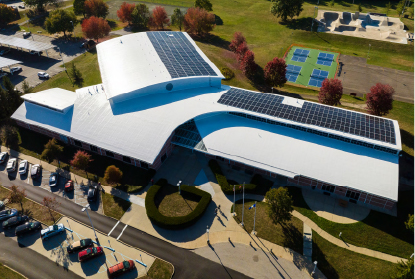
Athens Community Center

Athens, Ohio

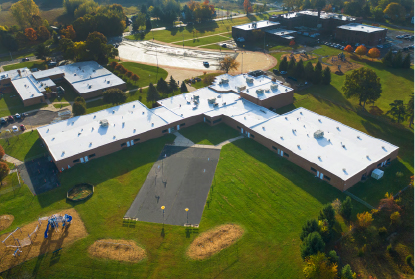
Bishop Elementary School

Ypsilanti, Michigan

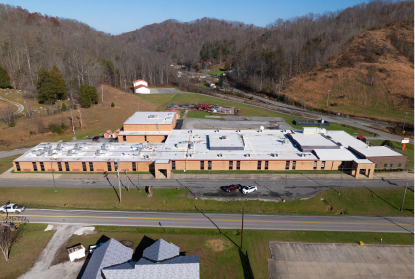
Girdler Elementary School

Girdler, Kentucky

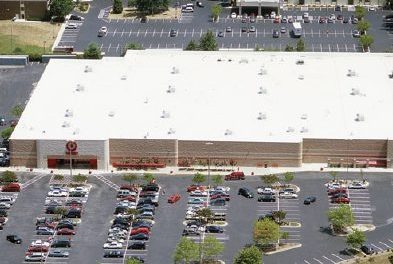
Target Store

Kyle, Texas

“Recycling Roofs” Podcast

Roof Recycling LIVE on the Air
Hear the story of PVC roof recycling on the National Roofing Contractors Association (NRCA) podcast “Stories of an Extraordinary Industry”!

Two industry experts are guests on the episode, titled “Recycling Roofs”:

  • Brian Whelan, owner of Roof Resources and past executive of Sika Sarnafil
  • Richard Krock, owner of VyChlor Advisors, LLC, and former senior vice president of the Vinyl Institute

Brian and Richard are key consultants who helped shape CFFA’s Pathway to Zero program, which strives to completely eliminate pre-consumer waste from PVC roofing membrane production. Both have more than three decades’ experience in the PVC roofing industry and are thought leaders on roofing recyclability and green building.

Reference Materials

Explore our reference materials to learn more about the benefits, performance, and sustainability of post-consumer recycled vinyl roofing from CFFA’s Vinyl Roofing Division.

Raising the Roof on Sustainability
The vinyl (PVC) roofing industry’s move to increase post-consumer recycling.

FAQs

Roof Membrane Recycling-Frequently Asked Questions: Many people/stakeholders are unaware that a significant number of commercial roofs can be recycled at the end of their service life, rather than being discarded in landfills.

PVC (vinyl) single-ply roofing membranes have been recycled for 25 years now. In total, over 200 million pounds of PVC roof membrane have been recycled into new roofing and other long-lasting products. In 2024 alone, over 10 million square feet of PVC roofing membrane were taken back and recycled.

PVC roofing manufacturers are leading the way with commercial roof recycling. We hope that this document answers your questions or directs you to resources that can help you.

Where can I go to learn more about recycling a commercial low-sloped roof?2025-12-23T18:19:39+00:00

If you are looking to recycle a PVC roof membrane, you can find out more about the steps to recycle, specification language, recycling PVC roofing industry annual statistics, and recycling success stories at the Post-Consumer Recycling page on vinylroofs.org, or you can reach out to your PVC roofing manufacturer of choice directly. It should be noted that not all roof membranes are recyclable or are being recycled. PVC single-ply roofing is one of a few roofing membrane technologies that has a proven history and platform for recycling the PVC roof membrane at the end of its service life.

Do I need to recycle the whole roof system, or can I just recycle certain parts of it?2025-12-23T18:26:04+00:00

Every roof is constructed differently. Roofs where the various roof components can be easily separated (mechanically attached/induction welded membrane and mechanically attached insulation) are the easiest to remove and recycle. It is recommended that if the existing insulation is dry and in good condition, it can be left in place. Today, insulation is typically the most expensive part of a new roof. By reusing the existing insulation, you save money, salvage the valuable existing R-value of the insulation, and minimize what goes to landfill. Recycling a mechanically attached or induction welded PVC roof membrane is relatively simple. It is recommended that with each re-roofing project, regardless of the membrane type, the existing roof system be evaluated to determine what can be saved and what can be recycled and whether the insulation and fasteners can be reused. This will lead to the least amount of roofing material being landfilled.

Is there a minimum size (sf) roof that is needed to recycle?2025-12-23T18:26:33+00:00

Economics/logistics come into play here. Depending on the size of the flatbed, it typically takes 60,000-100,000 sf of safely bundled and packaged aged PVC roof to fill out a flatbed. Full flatbeds are ideal for shipping to the recyclers. In some cases, recyclers will pay for the full flatbed. Partial flatbeds will most likely require additional freight costs or potentially consolidation fees.  Any size PVC roof can be recycled, but it is recommended that you contact your PVC roof manufacturer of choice for their recommendations. In some regions, smaller sized roofs can be sent economically to a regional recycler. In other regions where long transportation distances to a PVC recycler may be needed, it may be necessary to consolidate several re-roof jobs to make a load of PVC membranes to ship to the recycler.

Are there certain parts of the country where the roof membrane can be recycled more effectively than others?2025-12-23T18:27:06+00:00

PVC roof membranes located throughout the US are being taken back and recycled today. Consult your PVC roof manufacturer of choice for project-specific recommendations. Location of the project is not as much of a factor as having full flatbeds of aged PVC roofing membrane for transportation costs. But as explained earlier, consolidation of several reroof jobs can be accomplished in certain regions.

Are there any examples of roofs that were recycled that I can read about?2025-12-23T18:31:24+00:00

The Vinyl Roofing Division of the Coated Fabrics and Film Association (CFFA) has examples of PVC roof recycling projects on its website. Visit the Post-Consumer Recycling section of vinylroofs.org to see the growing number of success stories.

How do I know if my roof is a fit for recycling?2025-12-23T18:32:29+00:00

Reroofing of an existing PVC roof membrane that is mechanically attached or induction welded is an ideal candidate for recycling. For other roof membranes or roof systems, consult with Nationwide Foam at https://nationwidefoamrecycling.com or Mulford Insulation and Recycling (MEP Insulation) at https://www.mepinsulation.com.

If my insulation is dry is there any benefit of just removing/skinning the PVC membrane and recycling?2025-12-23T18:33:43+00:00

Yes. By removing/skinning the existing PVC roof membrane it allows for the existing insulation to be visually inspected. It may also give the building owner more options when the next roof cycle renovation occurs decades later.

Who should I call if I want to recycle a roof?2025-12-23T18:34:08+00:00

If you have an existing PVC roof and are installing a new PVC roof membrane/system, it is recommended that you discuss recycling with your PVC roof manufacturer of choice. If you are not installing a new PVC roof, you can still get assistance with recycling the original PVC roof membrane from the Vinyl Roofing Division of the CFFA at vinylroofs.org.

I want to add language to my reroofing specifications to include recycling. Does spec language exist that I can use? Where can I find it?2025-12-23T18:34:50+00:00

Yes, the Vinyl Roofing Division of the CFFA has developed guide specification language and a recommended bid line item that can simply be cut and pasted into reroofing specifications or scope of work. The spec language and bid line item can be found on the Post-Consumer Recycling page at vinylroofs.org. It is recommended that the cost to safely bundle and package the original PVC roof membrane be broken out as a bid line item, so the owner can make an educated decision whether to recycle or not.

How do I know if my roof membrane is PVC or TPO?2025-12-23T18:35:19+00:00

Both PVC and TPO membranes are typically white in color with heat welded seams. They are also applied in similar ways. The best way to determine the membrane technology is to look at the project file or warranty that was issued. Another way to determine the membrane type is to see if the membrane is embossed/ marked with the manufacturer’s name and/or production date/info.  If those options for determining membrane type do not work, a sample of the membrane should be taken and sent to your roofing manufacturer of choice, or a roofing consultant and they can help to determine which technology it is.

Can any PVC roof membrane be recycled?2025-12-23T18:35:57+00:00

Most barebacked PVC single-ply roof membranes that are mechanically fastened or induction welded can be recycled. If you have any questions or concerns, it is recommended you send a couple of samples to your PVC roof manufacturer of choice.

It should be noted that adhered PVC flashing membranes with adhesives on the back of the membrane cannot be recycled at this time and should not be returned to the recycler. No adhered barebacked or felt-backed membranes are recycled currently. Additionally, no metal products, such as screws or plates, should be included with the PVC membrane as they could damage the recycling equipment.

Will my roofing contractor know how to recycle the PVC membrane?2025-12-23T18:36:46+00:00

Although recycling PVC roofing membranes has been happening for decades, not every commercial roofing contractor is aware of it or has experience doing it. The Vinyl Roofing Division of the CFFA has created a recycling section on its website dedicated to post-consumer recycling. The roofing contractor can find more information on recycling at vinylroofs.org, including an animated video that explains the recycling steps as well as bundling and packaging options for properly removing the roof for recycling. This 4-minute video gives the roofing contractor valuable information for properly removing the PVC roof membrane for recycling.

If the roofing contractor has further questions on how to recycle the original PVC roof, they should contact their PVC roofing manufacturer of choice.

I have never recycled a roof membrane before- where can I find the recycling steps and the best methods of bundling/packaging the old roof?2025-12-23T18:37:26+00:00

The Vinyl Roofing Division of the CFFA created an animated video specifically for roofing contractors to demonstrate the steps involved with recycling a PVC roof membrane and to show the various options of bundling and packaging the original roof for transport to the recycler.

The animated video is available both in English and Spanish.

Will the old roof be stored on the ground and create any disruptions to my facility/operations/employees?2025-12-23T18:46:05+00:00

It is recommended that as part of the reroofing pre-bid conference, all stakeholders review the recycling steps, as well as where the recycled materials will be stored and later loaded onto the recycler’s flatbeds. The old roof that is safely bundled and packaged can be stored on the roof or on the ground near the dumpsters or other roofing materials. With proper staging, it should not interfere with any of the building owner’s daily activities/operations inside or outside the facility.

How much does recycling the PVC roof membrane cost?2025-12-23T19:16:36+00:00

Every roofing project is different in size, height, logistics, and complexity. There is no one value/figure/unit price that can be generally given. It is recommended that if you have a PVC roof recycling candidate, you ask for the additional cost for bundling and packaging the original PVC roof membrane to be broken out on the bid form (see the recommended bid line item offered by the Vinyl Roofing Division of the CFFA at vinylroofs.org). This way the owner can see the additional cost and decide whether they want to recycle or not.

In general, on a planned tear-off, the additional cost to recycle the PVC roof membrane is minimal. The slight cost increase for  bundling and packaging of the original PVC roof membrane can be somewhat offset by the reduction in dumpster and landfill costs.

Why should I recycle the roof membrane if it is going to add cost to the reroofing?2025-12-23T19:38:00+00:00

First, it is the responsible thing to do, and your customers, neighbors, municipal leaders, and employees are looking for your environmental leadership. The goal is to reduce as much construction cycle renovation debris from landfills. Recycling can help you maintain your building’s green certifications, and it can help you meet some of your environmental goals. On a reroofing project where the original PVC roof will be torn off, it only takes a few more steps at a minimal cost to recycle. The better question is why not recycle!

What happens to the PVC membrane after it leaves my roof?2025-12-23T20:21:23+00:00

The original PVC roof after bundling and packaging is picked up at the job site or transfer collection point and put on a flatbed and delivered to the selected recycler for processing.

PVC roof membrane recycling has been happening for 25 years now. Numerous closed-loop solutions, where membrane is recycled back into roofing products including new roof membranes, walkways, flashings, and hard boards, are available. Numerous open-loop applications, where membrane is recycled into non-roofing applications including flooring and expansion joints, are available.

How do I know that my PVC roof was recycled?2025-12-23T20:21:46+00:00

It is recommended that a certificate be requested from the recycler to confirm how many pounds of the old roof was received and processed at their facility, and that they indicate what the recycled material was used to make (i.e., flooring, roofing products, or other products).

Do I receive any Green Credits or Certifications for recycling my roof?2025-12-23T20:22:18+00:00

Recycling your original PVC roof membrane can help maintain green building certifications. It can also help your organization meet some of your recycling or carbon reduction initiatives. Certificates of recycling can be provided by the recyclers or by some PVC roofing manufacturers.

What is the environmental benefit/impact for recycling the PVC roof?2025-12-23T20:22:46+00:00

The biggest impact is reducing construction waste to landfill.

In addition, there was a paper developed by National Institute of Standards and Technology (NIST) that calculated the carbon savings benefit for recycling the aged PVC into closed- loop or open-loop construction products. To our knowledge, this is the first of its kind where the carbon benefit has been estimated for any roofing technology. This carbon benefit can be calculated for your roofing project or your roofing portfolio of projects and can be used for your environmental messaging.

For more information on the carbon benefit for recycling a PVC roof membrane, consult your PVC roofing manufacturer of choice.

When I select my next roof, how would I know if the roof is recyclable 20 + years from now?2025-12-23T20:23:09+00:00

First, check to see what roofing technology has a proven take-back and recycling program in place today. The PVC roofing industry has been recycling aged roofs for 25 years now. Through the Vinyl Roofing Division of CFFA a platform has been formed that is dedicated to increasing awareness and accelerating the adoption of post-consumer roof recycling. Based on the history of PVC roof membrane recycling and the initiatives underway at the CFFA VRD if you select a PVC roof membrane for your new roof, it is likely it will be able to be recycled 20 + years from now.

Mechanically attached and induction-welded PVC roof membranes/systems are well designed for recycling. It is expected that adhered and feltbacked PVC membranes can be recycled in the future with innovation and capital investment in equipment.

Disclaimer:
This is intended as a quick reference to answer frequently asked questions about roof recycling. The CFFA Vinyl Roofing Division members or Recycling Coordinators take no responsibility/liability for content. You should always check with your roofing contractor, roofing consultant, or roofing manufacturer of choice, and local code requirements for more specifics on how best to handle your reroofing project.